Blog
Any beautiful and elegant modern woman definitely knows about the crucial significance of selecting the finest luxury fabrics to wear as part of their daily attire. In comparing satin and silk, one will be able to immediately find out that there are two splendid materials that add extraordinary elegance, remarkable softness, and spectacular visual appeal to modern modest dresses. The choice of the finest luxury fabric makes all the difference regarding the look, comfort, and perfect draping of your favorite clothes on important occasions. Whether you are an active young girl who selects the splendid graduation dress or a sophisticated lady who creates the finest luxury wardrobe, the quality of the fabric is always of critical importance. Renowned luxury fashion brands such as Rosacanina always use these marvelous textiles to create marvelous garments.
What you will read in this article
Investment in fine clothing entails having a thorough knowledge of how different luxury materials behave in varying climates and distinguished social situations. Both of these beautiful materials have an excellent texture and shine that have made them popular selections for high fashion modest evening dresses. The ability to understand all these differences about these important materials makes it possible for every fashionable lady to make very well-informed and satisfying purchase decisions for herself. From elegant formal dresses to everyday luxury clothes, choosing the right material ensures that one is comfortable, durable, and perfectly dressed on a day-to-day basis. In this ultimate guide, we shall be discussing everything that one should know about these luxury materials.
Satin vs Silk: What’s the Difference?
In order to be able to understand the central dispute of satin vs silk, one must acknowledge that while the first term refers to a special weaving method, the second is a natural material. The central difference between satin and silk is that of origin, production, structure, and performance in terms of wearing comfort.
Related Article: Linen vs Cotton
Whereas silk is a unique natural protein fiber extracted from silkworms, satin is a sophisticated weaving method using either artificial or natural yarn. Every fashionable woman must know that this difference in structure makes it possible to distinguish these materials in terms of breathability, feel, luster, and future maintenance of garments made of them. Rosacanina makes excellent use of both in its creations.
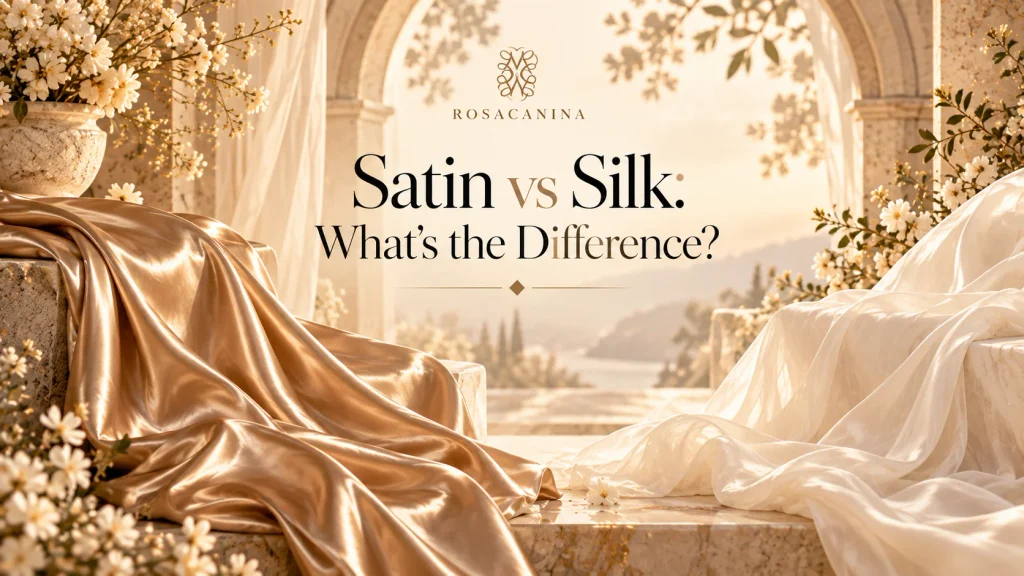
For each fashion-savvy female to easily identify the differences between the two famous fabrics, here are some main differentiating factors:
- Fiber Source: Silks are completely natural protein-based fibers extracted from silkworms, but satins are simply a particular weave of synthetic or natural threads.
- Sheen of the Fabric: While natural silks have a double-sided natural sheen, artificial satins usually have a highly reflective top side with a matte bottom layer.
- Breathability: Natural silks have outstanding breathability, while artificial satins tend to be warmer, which makes them great for cold nights.
- Laundry Care: While silks demand very careful hand wash or dry clean, high-quality artificial satins can better resist water stains and require less care.
What Is Satin?
Satin and silk fabrics have a lot in common, yet when comparing these two fabrics, it is necessary to clarify that the term satin means not only the name of a fabric, but rather the method of intertwining threads in order to create extremely smooth and shiny material. Traditionally, such intertwining involved four or more warp threads over one weft thread to form a smooth surface.
If you love the variety in our clothes for women collection but want something made exclusively for you, our bespoke clothing for women service brings your vision to life.
However, this method was applied solely to silk yarns in the past; nowadays, thanks to technological advances, designers may use polyester, nylon, and rayon yarns. Ladies know very well how special this intertwining makes such fabric flow nicely over the body. Fashion designers often use such fabric to create gorgeous but inexpensive evening dresses.
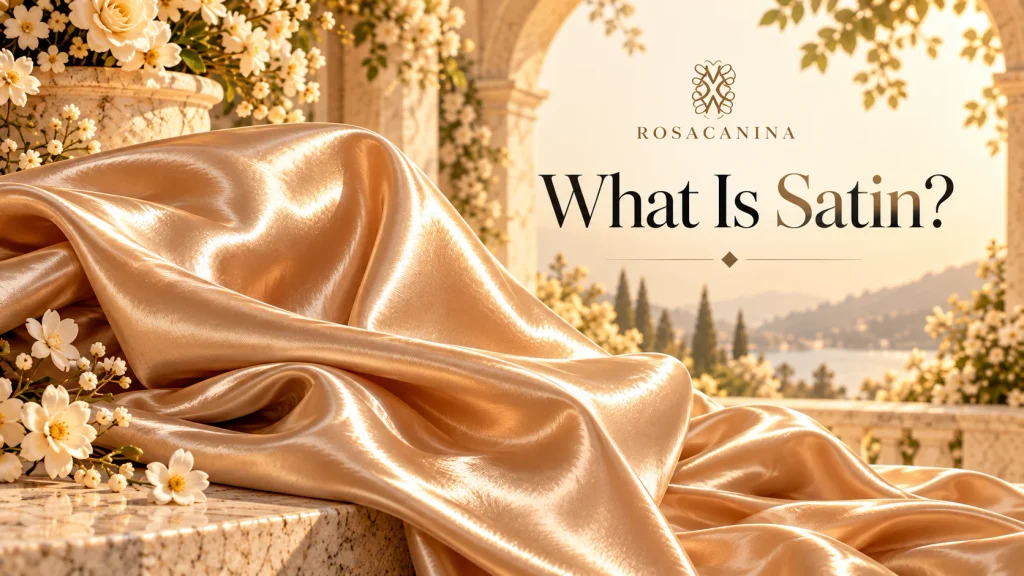
For each girl to better understand the importance of this woven textile as a high fashion mainstay, here are some features that define it:
- Luxurious Sheen: This particular over-and-under weaving technique creates a very glossy material that adds to the luxurious look of any garment made from it.
- Splendid Fluidity: As a result of its densely woven nature, this type of textile drapes elegantly and moves beautifully, lending an elegant silhouette to dresses.
- Durable Synthetic Resilience: Synthetic varieties of this fabric are very wrinkle-resistant, tear-resistant, and snag-resistant, ensuring their high durability in frequent use.
- High-End Look That Is Affordable: This textile offers the gorgeous sheen of high-end luxury textiles but is available at a much more affordable price.
What Is Silk?
When delving into the comparison between the traditional materials – silk and satin – one needs to focus on the historical significance and the natural luxuriousness of the silk mulberry fibers. It is an amazing natural protein fiber made by silkworms that has been recognized as the epitome of regal elegance for thousands of years.
Whether you’re looking to buy dress for women styles for any occasion, browsing our evening dresses for women for something special, keeping it simple with a day dress, or seeking modest coverage with a long sleeve evening dress, our collection has the perfect fit for you.
Due to its unique prism-like shape, the material is capable of refracting incoming light from different angles and creating the effect of slight iridescence that no synthetic fabric can produce. Every discerning lady loves natural silk because of its hypoallergenic properties, superb temperature regulation features, and silky soft texture. Famous couture brands such as Rosacanina often use this elite natural material to create exclusive modest dresses.
In order to enable each fashionable lady to distinguish the distinctive natural attributes of this high-quality organic cloth, here are some of its key defining attributes:
- Natural Organic Source: This natural protein fiber is obtained from the silkworm’s cocoon and does not contain any artificial chemicals.
- Shimmering Natural Appearance: The structure of silk fibers allows it to reflect light naturally, providing it with an elegant multi-faceted shine.
- Thermal Regulation Comfort: As a breathable natural material, it helps keep you cool on warm summer days and warm on cold evening occasions.
- Skin Moisturizing: This hypoallergenic material, which contains natural amino acids, helps moisturize and reduce skin friction.
Difference Between Satin and Silk: Fiber, Weave, and Feel
The key distinction in difference between satin and silk lies in understanding the fine details in the structure of their raw fibers, the weaving techniques involved, and even in the feeling when wearing the material. While the former denotes a natural organic protein fiber taken from silkworms’ cocoons, the latter refers to a special weaving pattern made from man-made fibers, such as polyester or rayon. The difference in structure affects the way they feel when worn on the skin, react to body heat, and reflect light. A discerning lady will definitely realize the fact that silk is noticeably smoother and warmer, while synthetic satin is exceptionally slippery and cold at first contact. Well-known brands, such as Rosacanina, thoroughly consider the distinctive features of both fabrics when making high-quality clothing for elegant ladies.
To help every stylish girl easily compare satin fabric vs silk characteristics side by side, review the detailed structural breakdown provided in the following comparison table:
| Feature | Satin Weave Construction | Pure Natural Silk Fiber |
| Raw Composition | Synthetic polyester, durable nylon, or blended fibers | 100% pure organic natural protein filaments |
| Structural Weave | Floating warp technique over single weft threads | Versatile plain, twill, or specialized weaves |
| Tactile Sensation | Ultra-slick, high-gloss top with a dull back | Buttery soft, luxurious touch on both sides |
| Visual Luster | High-shine, brilliant glossy top surface sheen | Subtle, multi-dimensional iridescent natural shimmer |
| Thermal Comfort | Moderate breathability; retains warm body heat | Exceptional natural breathability and thermal regulation |
Satin and Silk Difference in Durability, Care, and Price
If considering the never-ending battle of silk vs satin regarding long-term investment clothing items, it is vital to assess the durability, care, and total cost. Artificial satin clothes are extremely durable since they possess outstanding abilities to withstand wrinkling, color loss, and tearing. On the other hand, pure silk is an organic fabric that requires careful dry-cleaning, gentle hand-washing, and storing in dark places. Any intelligent woman knows that despite the higher cost of natural silk because of the manufacturing process involved, artificial satin represents an inexpensive but stylish choice. At Rosacanina, designers wisely combine both fabrics so that each client can have a stunning piece of clothing according to her needs and preferences.
To assist every practical girl in selecting the right material for her lifestyle requirements, consider this clear breakdown of maintenance, longevity, and investment value:
| Practical Factors | Synthetic Satin Material | Organic Pure Silk |
| Garment Longevity | High resistance to snagging and physical tearing | Durable when cared for; delicate when wet |
| Cleaning Requirements | Machine washable on gentle cycle or hand wash | Delicate hand washing or professional dry cleaning |
| Wrinkle Resistance | Naturally resists severe creasing and wrinkles | Prone to creasing; requires gentle steaming |
| Stain Susceptibility | Highly resistant to water spots and oils | Easily stained by water droplets and oils |
| Price Investment | Budget-friendly and accessible luxury pricing | Premium investment due to rare natural origin |
Satin vs Silk for Dresses: Which Is Better?
It is ultimately your own personal priorities regarding satin vs silk for dresses, the occasion you plan to wear the dress at, as well as maintenance considerations that will determine what type of fabric should be used. If you are looking for a luxurious evening dress to wear at a prestigious event, pure silk would give you unparalleled natural gloss and comfort. The elegance of true silk moves gracefully, turning every elegant lady into a queen for the best moments of her life. On the other hand, if you need something practical, easy to maintain, affordable, resistant to wrinkling and able to survive travel, high-quality artificial satin will be nothing short of a masterpiece. The collections of Rosacanina show how either of the two can look stunningly glamorous.
Natural silk stands out as an unparalleled option in case of parties or tropical summer weddings because of high breathability and refreshing coolness. The fabric will keep the skin moisturized while providing ventilation and ensuring that every little girl will feel wonderful throughout all those celebratory parties in the afternoon. Meanwhile, the satin dress is better used for grand evening events, where one can demonstrate the silhouette and reflection of fabric. Artificial satin preserves the vibrant colors of the fabric despite hours of dancing. In general, both fabrics have their own qualities, which will make your conservative wardrobe full of beautiful outfits.
Conclusion
Choosing one of the two beautiful fabrics gives you an opportunity to craft an exceptionally flexible and exquisite outfit that is perfectly adapted to your unique lifestyle. Depending on whether you would opt for the natural luxury of the real silk or the durable sheen of artificial satin, you will give your wardrobe a touch of elegance. Familiarizing yourself with their unique physical properties lets every stylish woman choose beautiful clothes that bring complete physical comfort along with stunning visual appeal. Modest wear in high fashion needs such variety of rich fabrics in order to give you an opportunity to attend grand celebrations and other events elegantly.
As you start building your own personal collection of luxury clothes, keep in mind that both of these have a right and worthy place in the world of high-end modest wear, and it is important to understand satin and silk difference. An elegant young lady can make an exciting wardrobe for herself by incorporating durable satin dresses for everyday occasions and elegant silk dresses for extra special days. By taking proper care of the fabric and by wearing these in an intelligent way, you will make sure that these beautiful dresses keep their wonderful shine, softness, and immaculate structure for many years. Revel in the magic of these two beautiful fabrics that make you look amazing. Go to any special occasion with full confidence.
FAQ
Are satin and silk the same?
No, satin and silk are not the same thing; silk is a natural fiber, while satin is a type of weave.
Is satin better than silk?
Silk is generally better for your skin, hair, and temperature control, but satin is better if you want an affordable or vegan option.